**Written for Bangor Daily News and originally printed on March 31, 2026**
What does a DSLR camera trap do that a $150 off-the-shelf game camera can't do? Simple — it gives you sharp, full resolution photos instead of the blurry, low-detail shots most game cams put out.
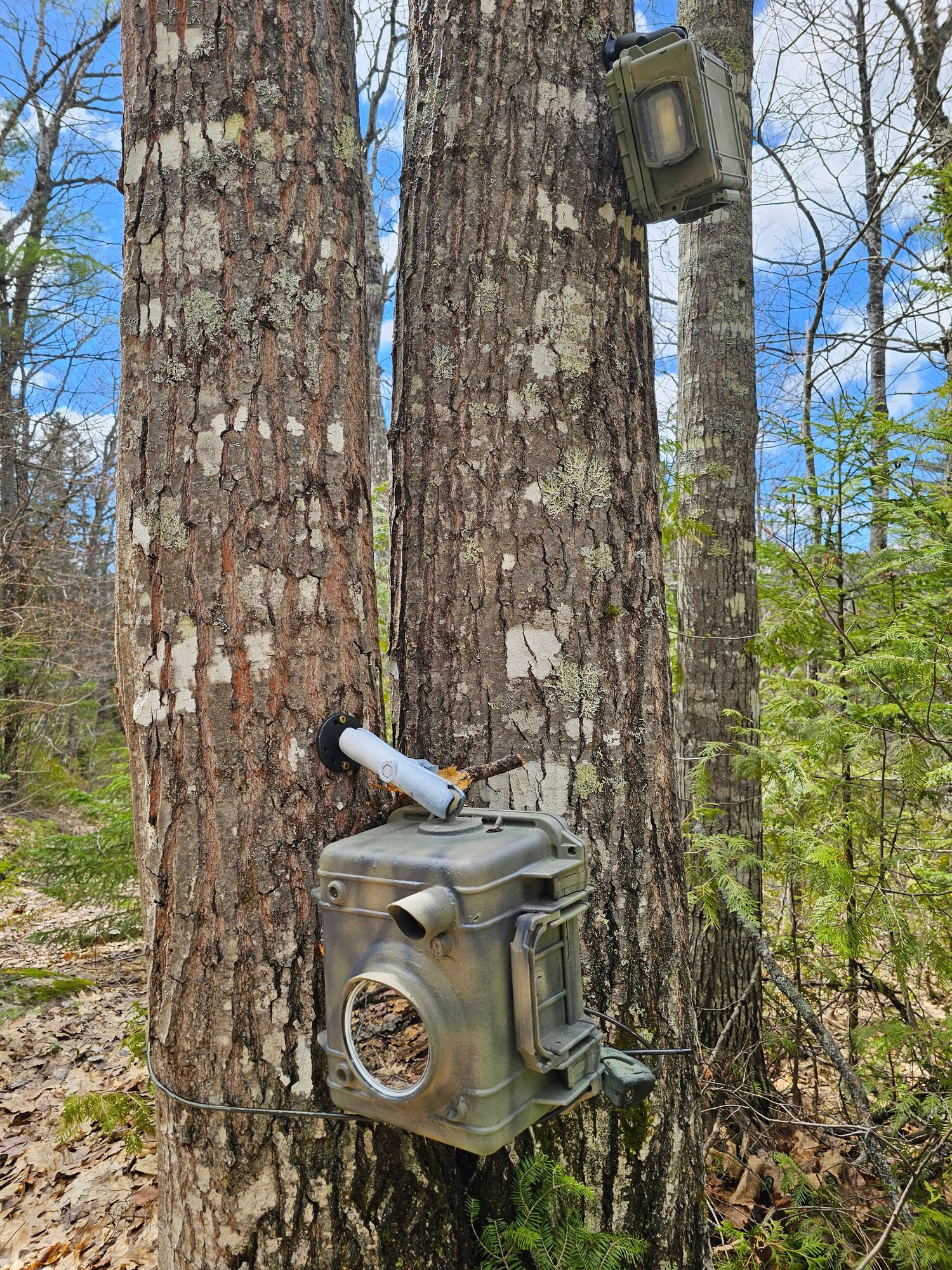
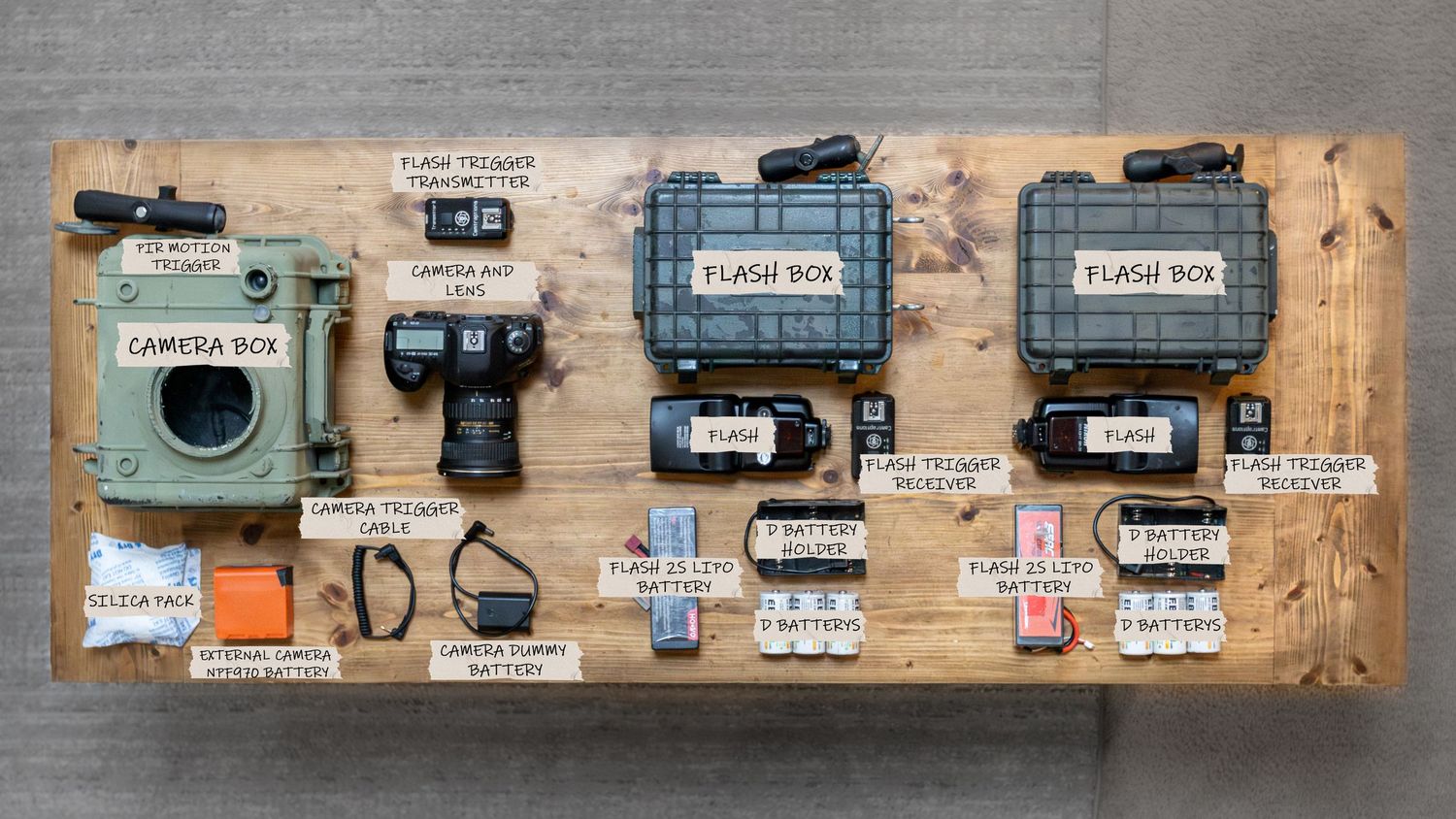
A DSLR camera trap is basically a regular Canon or Nikon DSLR body with a decent lens. You hook it up to a PIR motion sensor (can be built-in or wired externally), add off-camera flashes with triggers so they fire at the right time, and run some extra batteries to keep it going longer. The whole thing gets put inside a sturdy Pelican hard case to protect it from rain, snow, and the usual New England weather. Then you just set it out in the woods and let it do its thing.
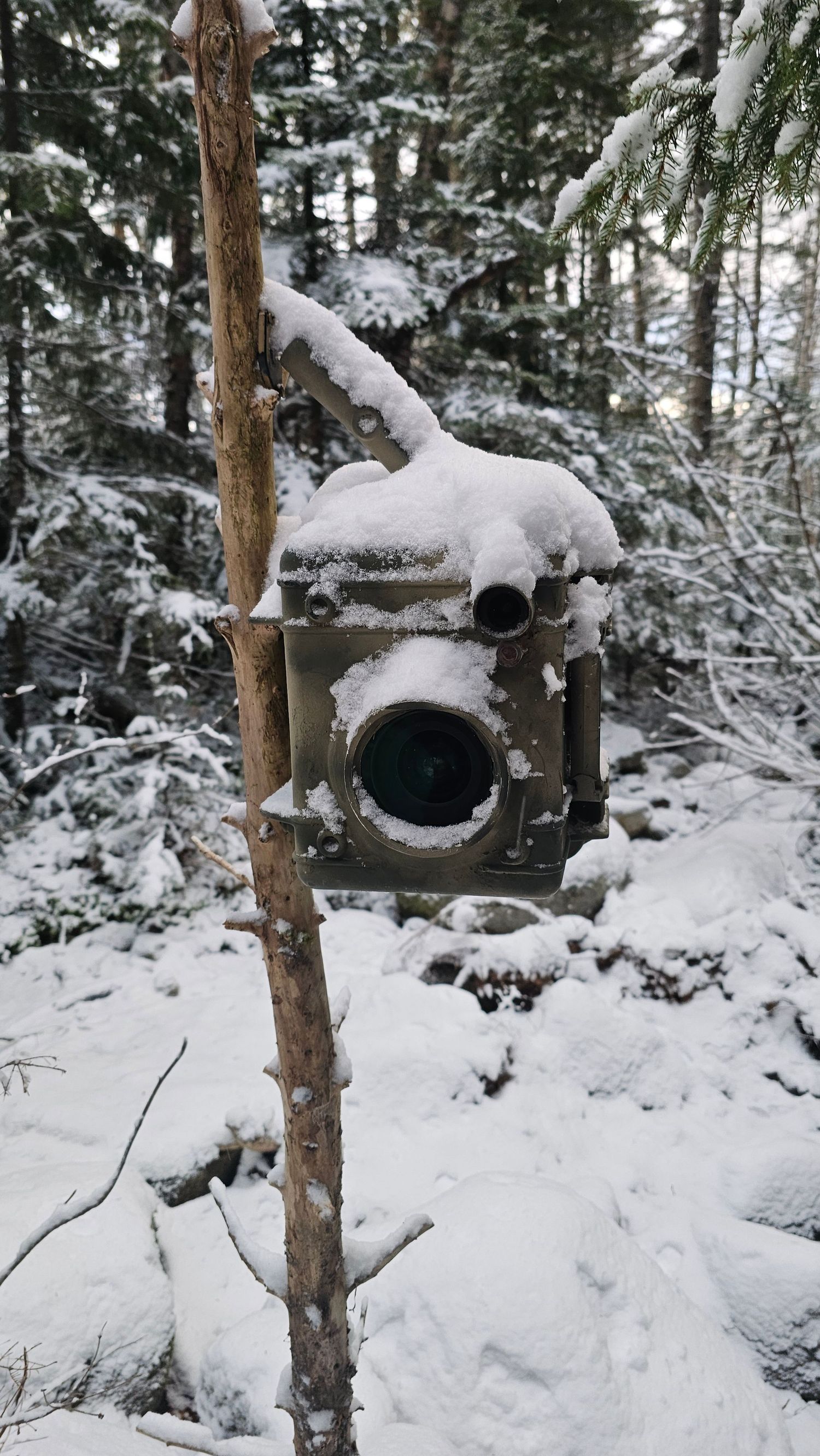
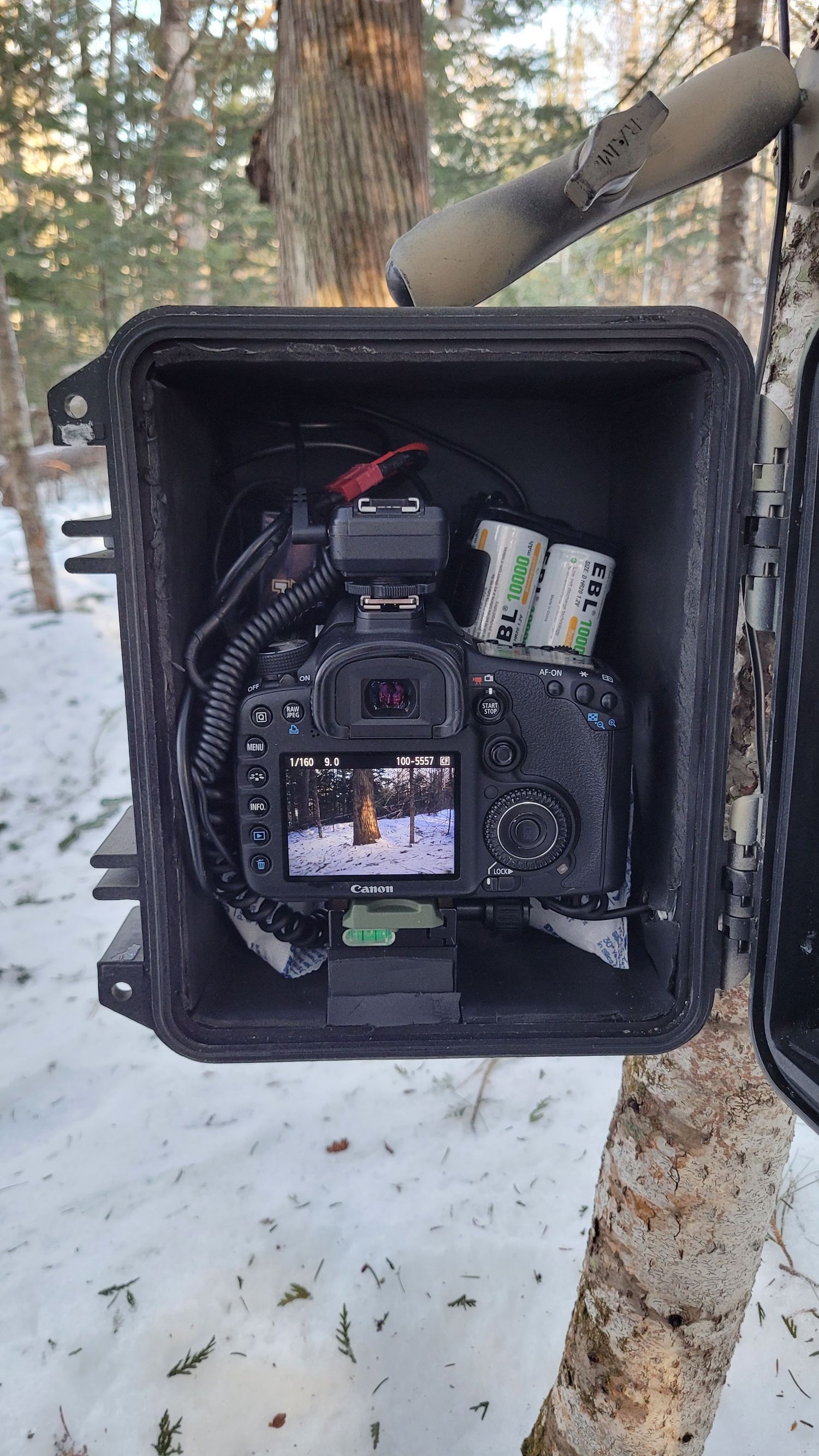
I’ve run cheaper off-the-shelf trail cameras for years to see what’s moving through the woods or around the yard. They’re fine for basic scouting — like knowing if a moose is using a river crossing or deer hitting a scrape. But if you want pictures with real fur texture, clear eyes, and decent antler detail instead of everything looking soft and muddy, the DSLR setup is where it’s at.
The difference is pretty obvious once you compare them side by side. Those cheaper trail cams have tiny sensors, so even their 20-megapixel shots look soft, especially at night. Fur turns muddy, eyes don’t pop, and if you crop the photo, it just falls apart.
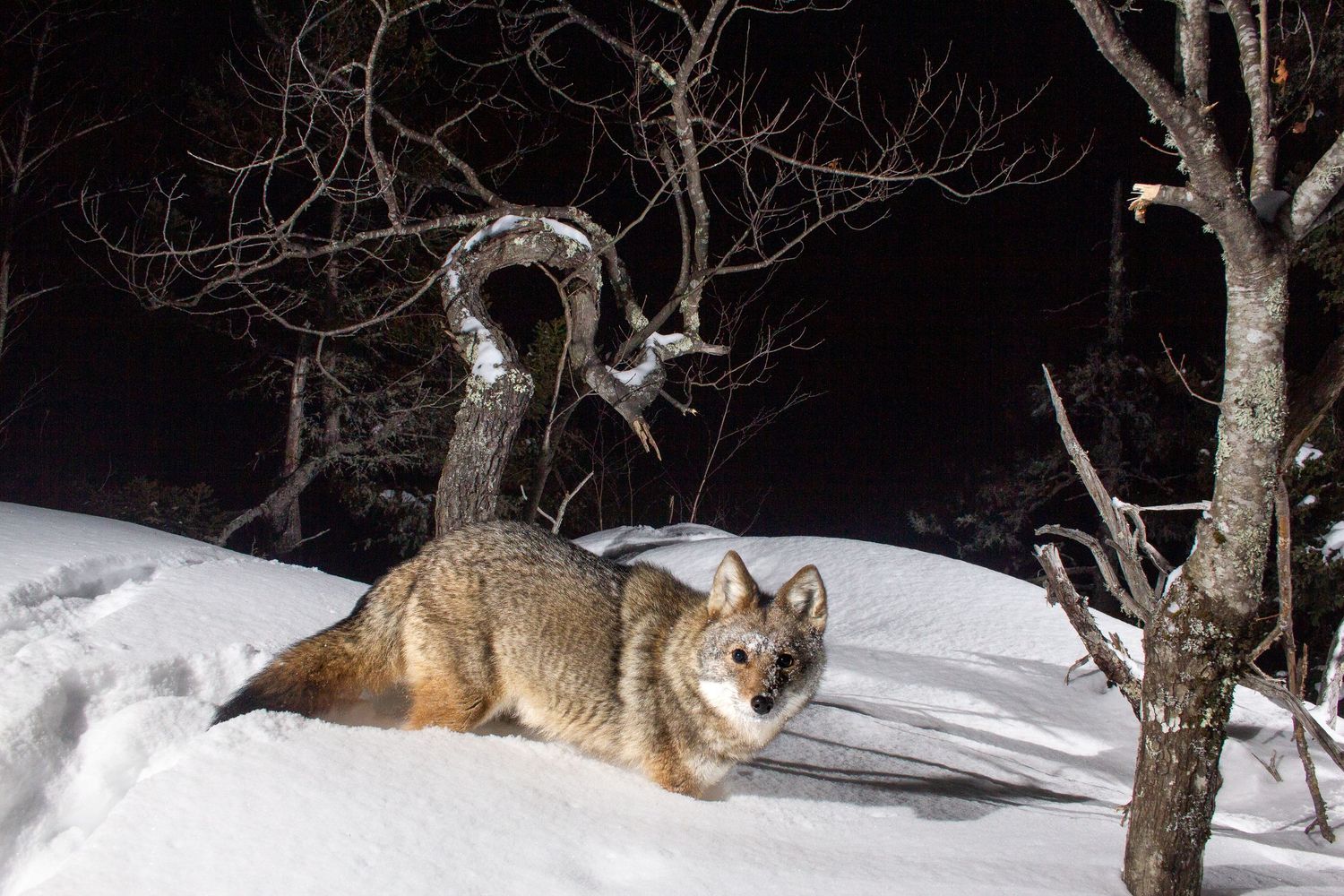
A DSLR has a much bigger sensor, and at least in my experience, it just handles low light conditions way better. You get the creative freedom to choose lenses — from wide angle to catch a broad scene or a longer lens to pull in the fine details. When you add off-camera flashes, you get full color night photos while freezing the animal right in that moment. The shots come out way cleaner — the kind you can zoom in on, print, or sell without them looking bad. You can pick out individual scars, see the exact pattern on a fisher’s coat, or get a clean shot of a buck working a scrape that actually looks sharp.
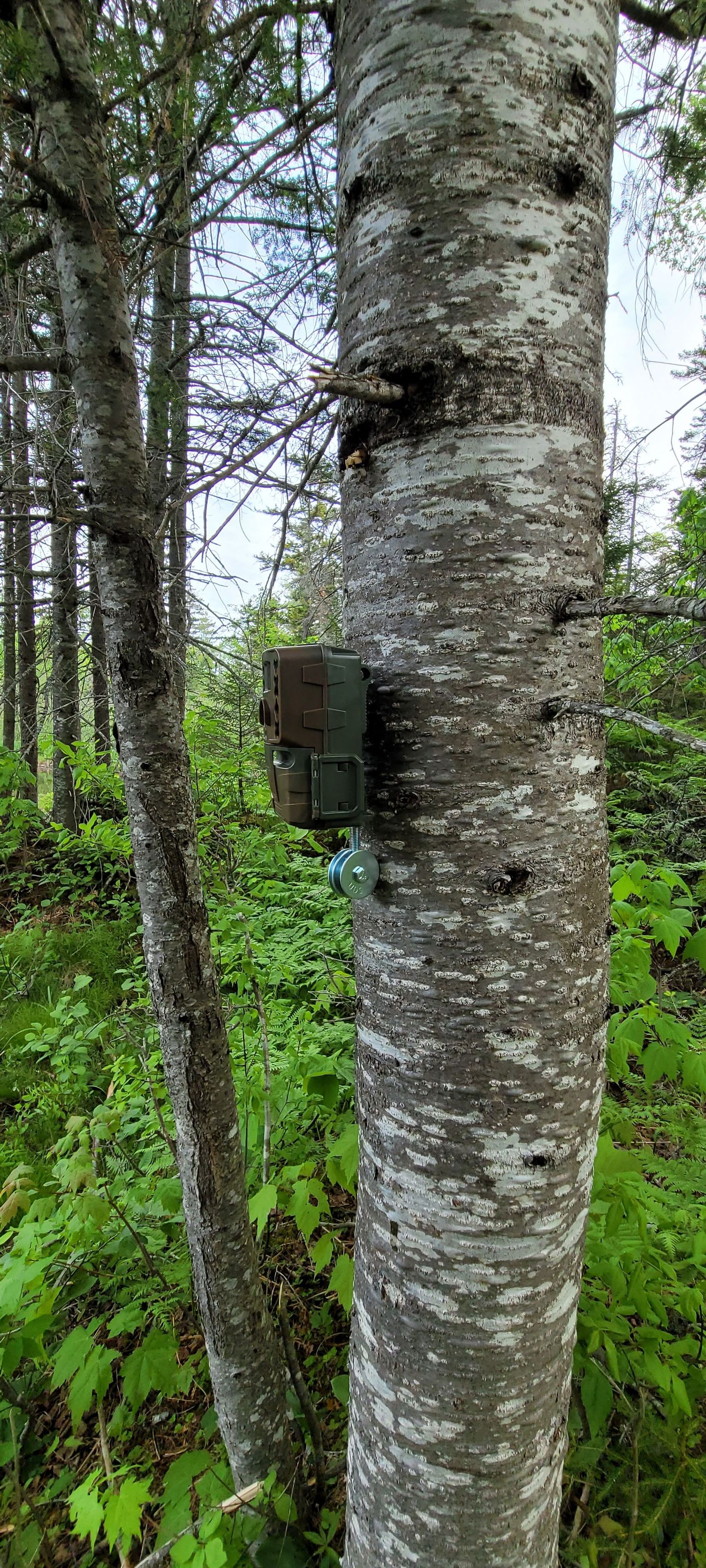
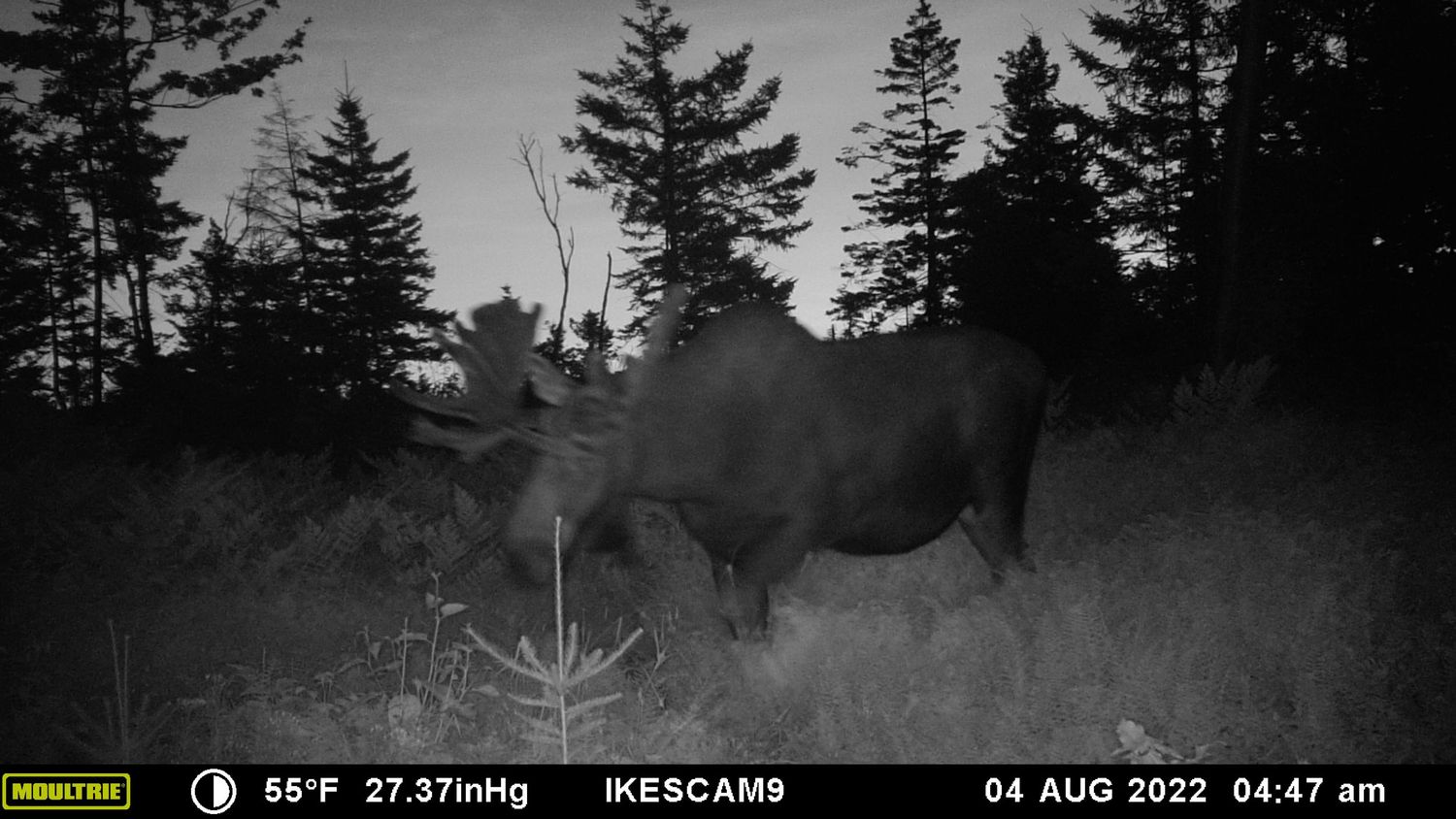
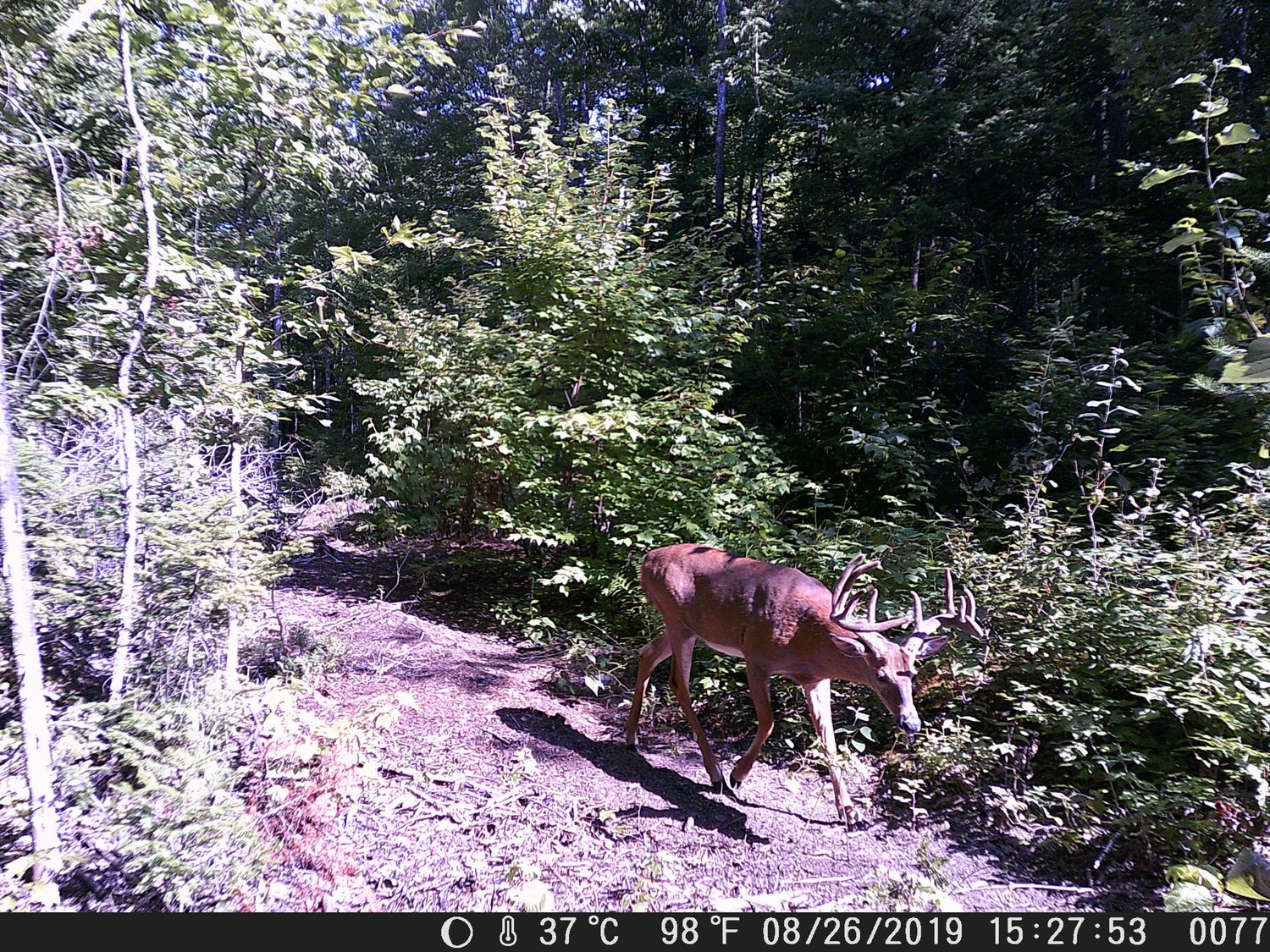
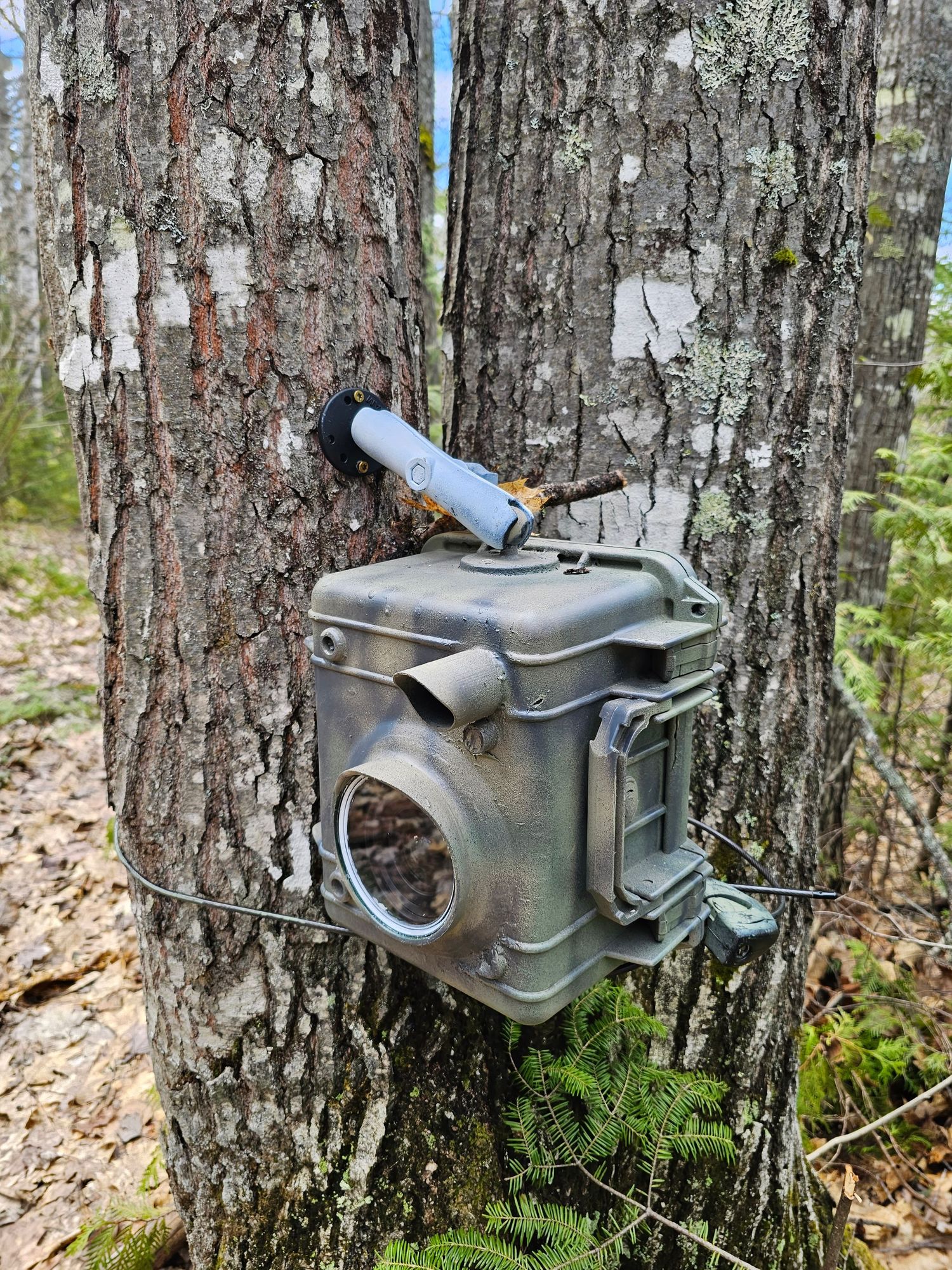
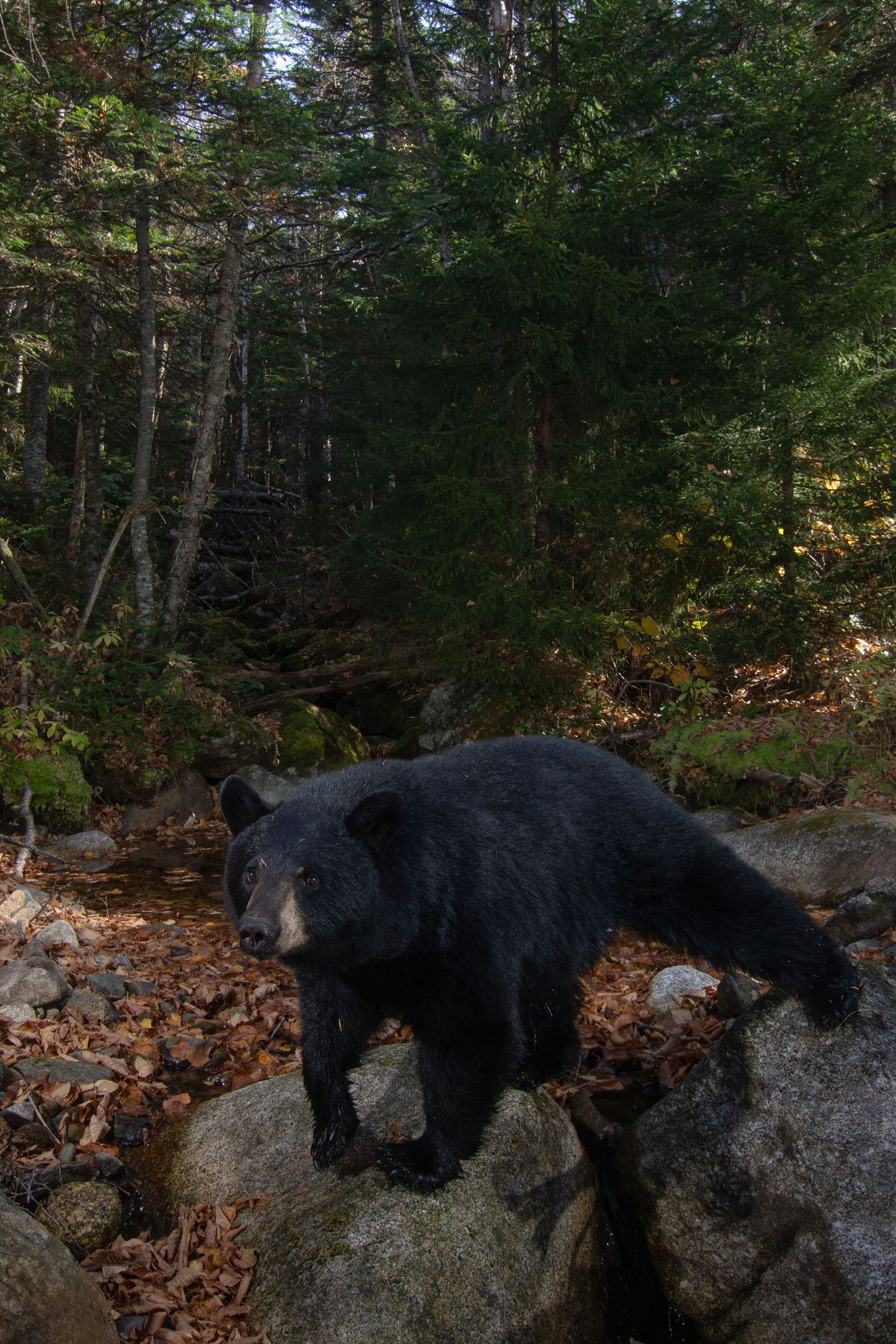
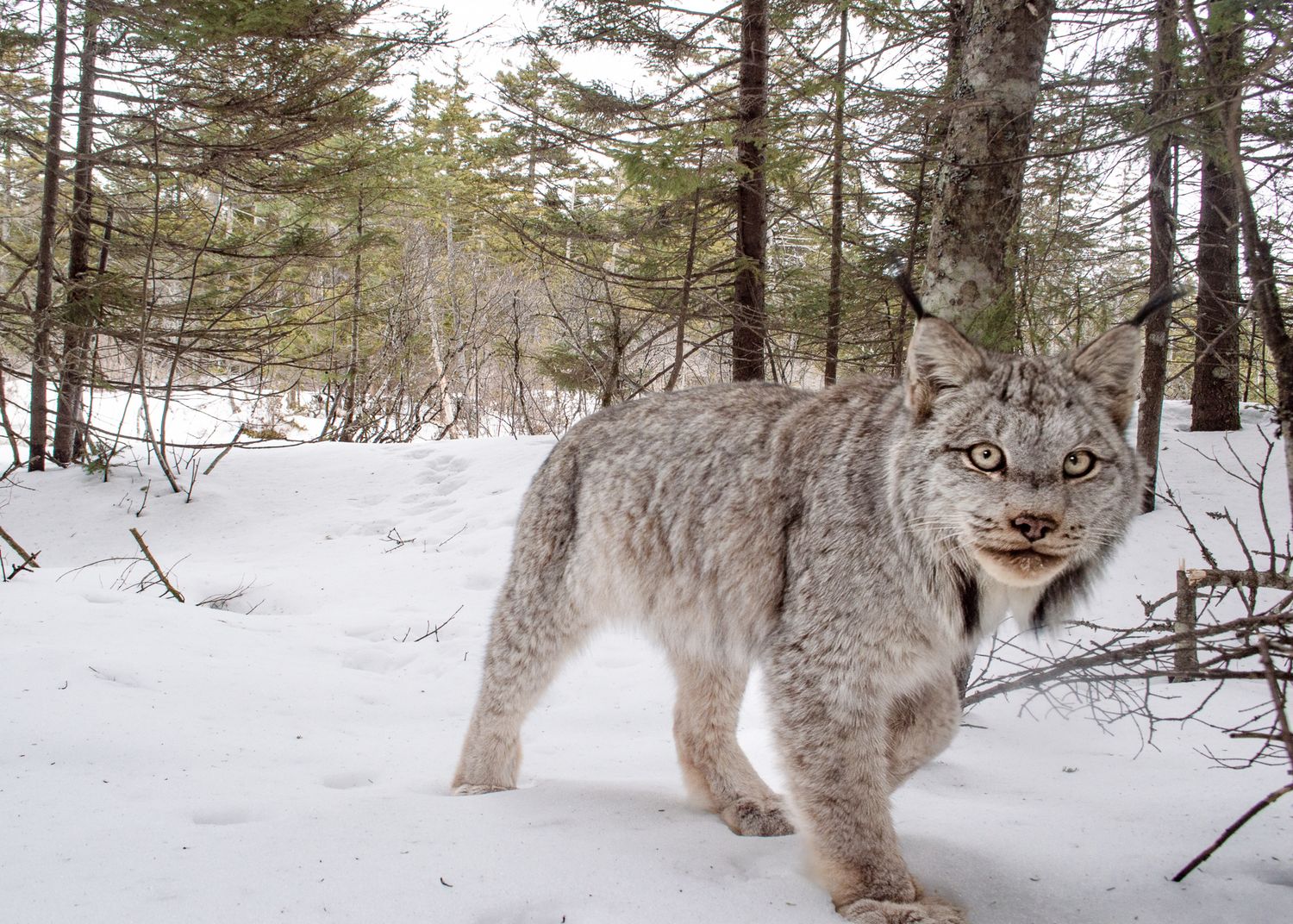
I ran regular trail cams for years and my dad would always ask why I couldn’t just pause the video and take a screen capture to sell it. It was a good idea, just the wrong tool for the job. Those game cam videos are low resolution and heavily compressed. Freeze any frame and it’s usually a blurry mess that nobody would want to buy or even hang on the wall. Once I switched to the DSLR set, I could finally get sharp still photos straight from the camera that were worth selling or sharing.
Of course there’s a downside. The cheaper trail cams are tough, simple, and can run for months on a set of batteries even through our New England winters with almost no maintenance. The DSLR setup is more of a pain — more gear, batteries die faster in the cold, and you end up checking it way more often. If one piece quits, the whole setup can go down. But if you want real quality photos instead of just knowing something walked by, it’s worth the extra effort.
A lot of people run both. I like to use the cheaper trail cameras to scout and figure out where the animals are moving. One trick I’ve found really useful is running the standard game camera in video mode. It helps you see what direction the animals are coming from and going to, and it shows you what might walk behind the DSLR or completely miss the still camera’s trigger zone. That way you don’t waste time setting up the nicer setup in a spot that doesn’t get much action.
Then, once I know the patterns, I pull out the DSLR trap when I want nice shots. Around New England this combo works well for bears, deer, and moose, plus the occasional lynx and a few furbearers like fishers. I’ve had setups catch everything from a black bear walking a rock wall to a moose crossing a river under the cover of night.
At the end of the day, both types of cameras have their place. The cheaper off-the-shelf trail cameras are great when you just need to know what’s moving and when. They’re reliable, cheap to replace if something happens, and they run forever without much attention. The DSLR trap is for when you want photos that actually look good — the kind where you can see every whisker or the steam coming off a moose on a cold morning.
Bottom line, a $150 off-the-shelf trail camera is solid for everyday scouting — it’s cheap, tough, and runs forever. But when you want clear, detailed photos that don’t look soft and blurry, a DSLR camera trap does what the cheaper ones can’t. It turns a basic “yeah, there’s a fisher” into pictures you’re actually happy to keep, print, or sell. If you’re serious about getting good wildlife photos in these woods, running both makes a lot of sense